June 29, 2026
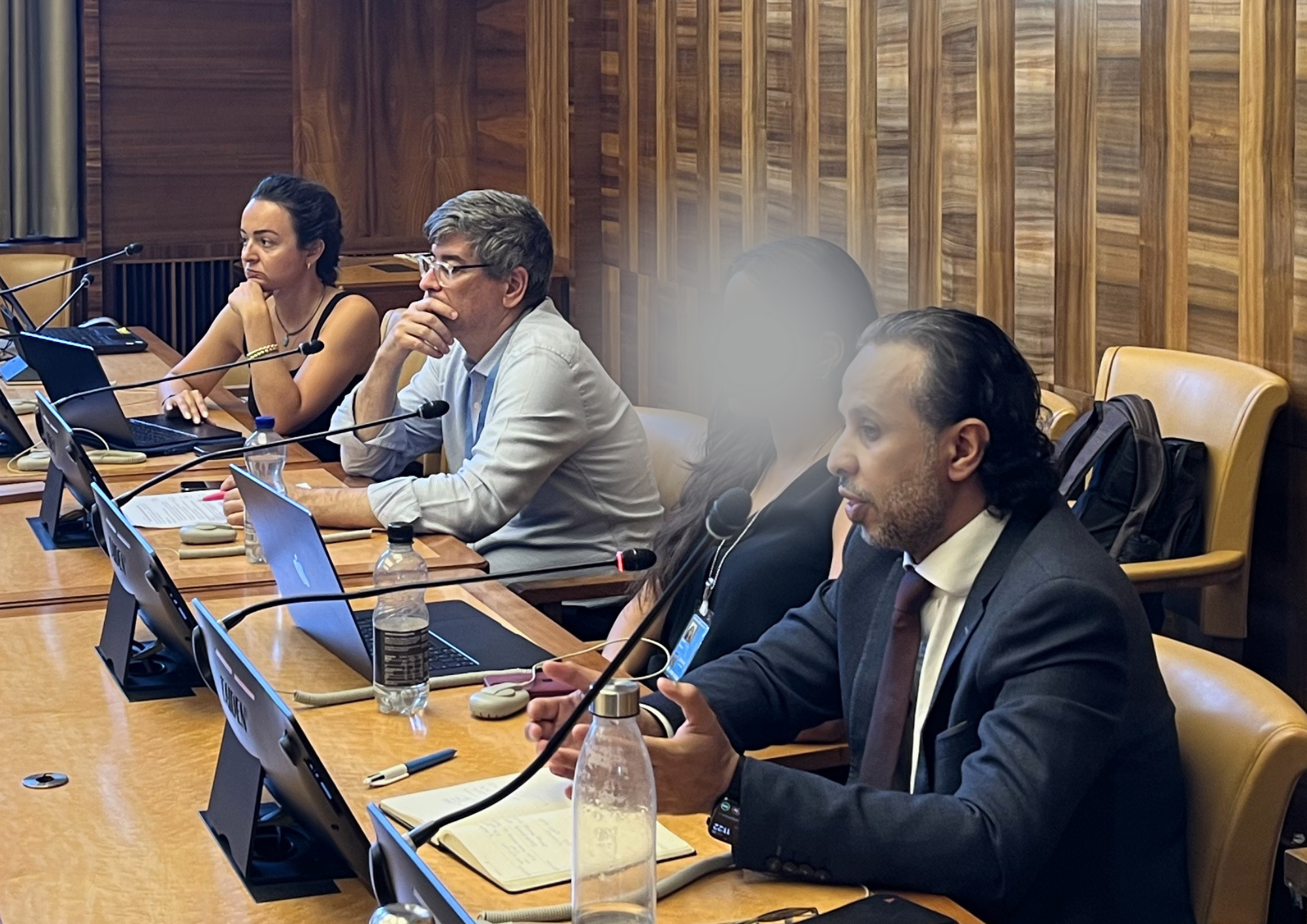
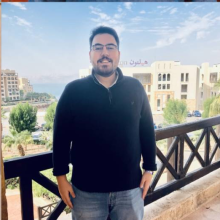
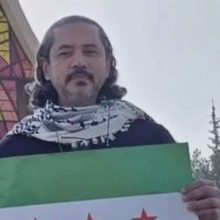
From left to right: Falah Sayed, Michael Khambatta, Representative from Reprieve, and Yahya Assiri on the use of the death penalty in Saudi Arabia and its intersection with torture, arbitrary executions and the erosion of international standards during an event at the UN Human Rights Council in Geneva on June 25, 2026. © MENA Rights Group.
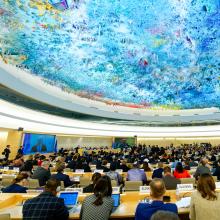
On June 25, 2026, on the margin of the 62nd session of the United Nations Human Rights Council (HRC), MENA Rights Group organised a side event with Reprieve, ALQST for Human Rights, Amnesty International, the European Saudi Organisation for Human Rights (ESOHR) and the Gulf Centre for Human Rights (GCHR), demonstrating how the use of the death penalty in Saudi Arabia amounts to torture and arbitrary execution, eroding international standards. The side-event came after the recent publication by the Special Rapporteur on extrajudicial, summary or arbitrary executions of his report on the death penalty from the perspective of the prohibition of torture and other ill-treatment and the protection of human dignity.
The panel discussion brought together human rights defenders, legal practitioners and civil society representatives whose work documents executions in Saudi Arabia. Representatives from numerous states attended the event, among them Finland, Libya, Sweden, Denmark, India, New Zealand, France, Belgium, Portugal, Ireland, Switzerland, Norway, Liechtenstein and Tanzania, as well as the EU.
To open the discussion, Michael Khambatta stated the key findings of the thematic report published by the Special Rapporteur on extrajudicial, summary or arbitrary executions. The report finds that the death penalty, by its inherent design and implementation, constitutes an act of torture and ill-treatment and that it cannot be reconciled with the absolute prohibition of torture and the duty to protect human dignity.
In his interventions, Ali Dubaisi explained that the country’s use of the death penalty is not the result of isolated mistakes but stems from political decisions, with courts failing to act as a check on this power. He noted that Saudi Arabia reached a record number of executions in 2024, only to break that record again in 2025. He called for an immediate moratorium on the death penalty in Saudi Arabia and warned that the silence and support of other states allow this “bloody policy” to continue. He further described the death penalty as a tool used against minority communities, and more broadly against anyone the authorities wish to silence.
Falah Sayed continued this discussion, recalling that international law permits the death penalty only for the “most serious crimes”, understood as crimes of the utmost gravity involving intentional killing. Despite Saudi Arabia’s claims to uphold this standard, the kingdom makes extensive use of broadly defined discretionary offences in practice, allowing for death sentences over conduct not involving intentional killing, including drug-related offences as well as offences linked to broad terrorism and national security legal frameworks. Addressing how UN mechanisms have responded to individual cases, Falah Sayed noted that the Working Group on Arbitrary Detention (WGAD) has consistently expressed serious concerns and issued multiple opinions finding the use of the death penalty arbitrary in Saudi Arabia. This has included cases involving minors, cases stemming from the exercise of freedom of expression, and cases involving minority groups and foreign nationals. The challenge today, she said, is not a lack of UN engagement but one of implementation, as Saudi Arabia has repeatedly failed to give effect to the WGAD’s opinions.
Presenting cases of executions in Saudi Arabia, Reprieve’s representative explained that torture is often used to coerce confessions, which then become the only evidence relied upon in court. She described the psychological suffering faced by individuals sentenced to death, beginning from the moment of arrest, including the experience of inmates who watch others being taken to execution chambers on a daily basis. She also explained that families of victims are often not informed of their loved ones’ status, including, in some cases, families learning of an execution through informal calls from other inmates rather than the authorities.
During his intervention, Yahya Assiri examined the roots of the problem: the system itself. As the judiciary is not independent and relies entirely on whoever holds power, it remains difficult to understand what is actually happening to defendants at every stage, from arrest to detention to trial, with lawyers effectively acting as agents of the state and following the court’s instructions rather than working independently. Punishment through the death penalty also serves to facilitate the continued abuse of Saudi Arabia’s Counter-Terrorism Law to silence critics on the basis of overly broad definitions.
Dana Ahmed pointed to recent findings from Amnesty International showing a rise in executions for drug-related offences, with foreign nationals bearing the brunt of the increase. While making up around 40% of the population, foreign nationals accounted for roughly 75% of all executions carried out between January 2015 and June 2025. Individuals from poor socio-economic backgrounds are also disproportionately targeted, making them more vulnerable as many cannot understand the proceedings against them or access basic fair trial guarantees, which violates international standards. Families are also left navigating an entirely opaque criminal justice system, sometimes from abroad. They cannot attend hearings or meet with lawyers and must rely on infrequent phone calls and minimal information about the legal process, amid immense emotional and psychological tolls.
Before closing, during the question-and-answer session, a representative of the European Union asked what role the Human Rights Council could play on this issue. Yahya Assiri encouraged states to maintain close contact with NGOs documenting violations and called for continued independent reporting to expose the reality on the ground amid the rising number of executions. Falah Sayed concluded by stressing the importance of raising the findings of UN experts and bodies during bilateral dialogues with Saudi Arabia. This, she said, can show the Saudi government that international scrutiny of its record remains very much alive.