
January 28, 2026
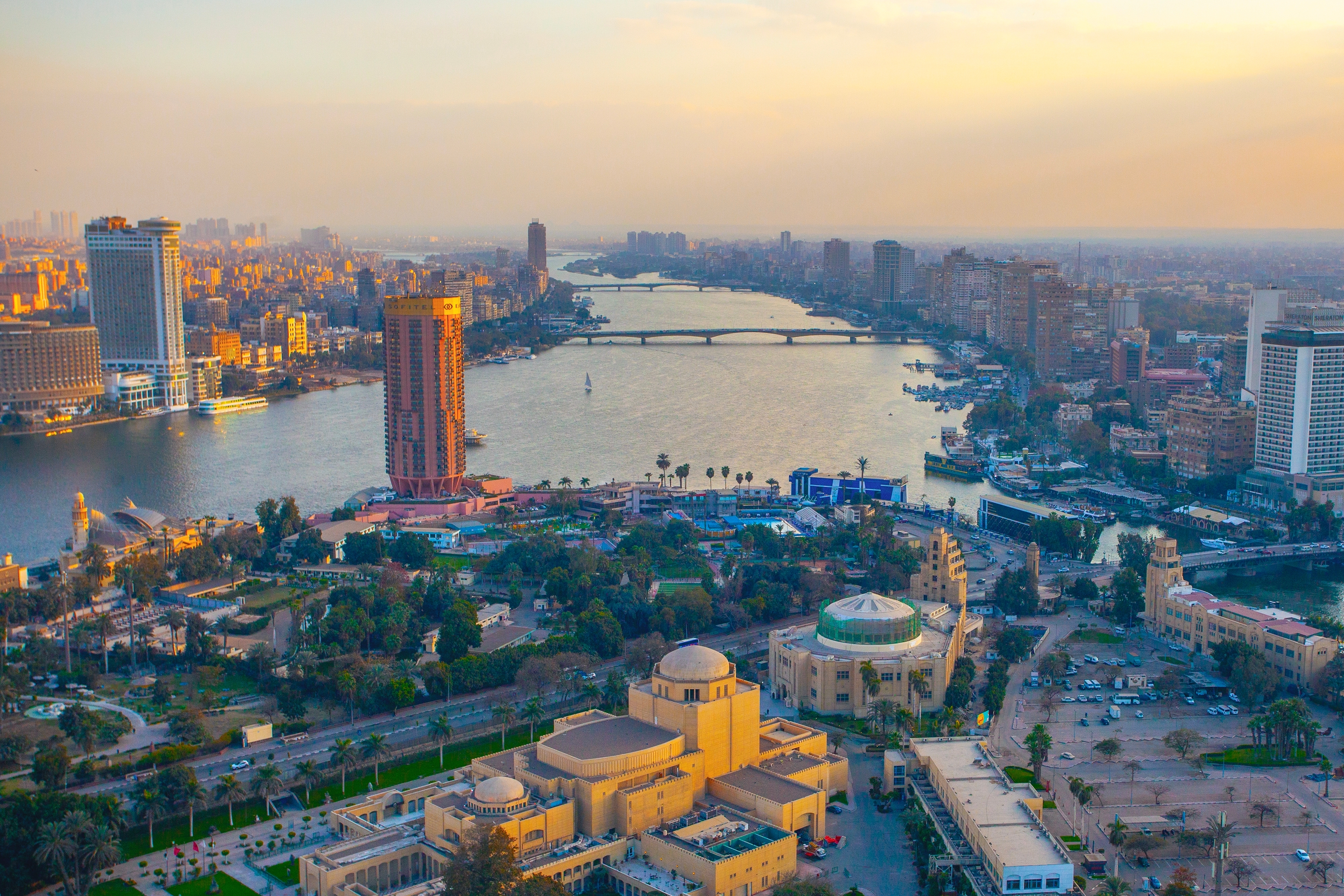
Skyscrapers and bridges of Cairo as seen from Cairo TV Tower. Northern Cairo cityscape. © Alexandra Lande, Licensed under Shutterstock.
[Human rights organizations] have formally raised serious concerns regarding the decision of the Global Alliance of National Human Rights Institutions (GANHRI) and the Sub-Committee on Accreditation (SCA) to maintain “A status” accreditation for Egypt’s National Council for Human Rights (NCHR) during the 2025 review cycle.
In a joint letter addressed to the GANHRI Bureau and the SCA, the organizations warn that the outcome of the review does not adequately reflect the NCHR’s level of compliance with the Paris Principles, nor its actual performance in addressing the grave and systemic human rights challenges prevailing in Egypt.
Reliance on Promised Reforms, Not Demonstrated Performance
According to the organizations, the 2025 accreditation decision appears to rely heavily on draft legislative amendments submitted confidentially by the NCHR itself. These amendments have not been published, debated, or enacted, and were not subject to consultation with civil society or parliamentary scrutiny. The organizations stress that this approach marks a departure from GANHRI’s established practice of assessing tangible progress and actual compliance with the Paris Principles.
By accepting non-public, hypothetical reforms as a basis for maintaining “A status,” the organizations caution that the accreditation system risks rewarding intentions rather than results, thereby undermining its credibility and consistency.
Persistent Structural and Operational Deficiencies
The letter outlined several long-standing deficiencies that, according to the signatories, remain unaddressed in both law and practice. These include the NCHR’s continued inability to conduct unannounced visits to all places of detention, the absence of effective follow-up mechanisms for complaints, limited transparency in the findings that are published, constraints on financial autonomy, and concerns over the political alignment of some Council members.
The organizations also highlight the NCHR’s lack of clear, visible, and consistent public positions on critical human rights issues such as torture, enforced disappearance, unfair trials, arbitrary arrests, the death penalty, and reprisals against human rights defenders. As an illustration, we questioned claims referenced by the SCA that the NCHR publicly called for a moratorium on the death penalty, noting that no clear or accessible public statement to this effect can be identified.
Contradictions with Treaty Bodies and Previous SCA Findings
The organizations further recall that United Nations treaty bodies, including the Human Rights Committee and the Committee against Torture, have repeatedly expressed concern over the NCHR’s independence, effectiveness, and limited safeguards, particularly regarding detention monitoring. They also point to a striking inconsistency with the SCA’s own 2024 findings, which concluded that the NCHR did not meet core requirements of the Paris Principles and that a downgrade to “B status” was warranted absent concrete reforms.
Between the 2024 and 2025 reviews, the organizations note that no material changes occurred in the NCHR’s legal framework or practice that would justify an upgraded status.
Calls for Transparency and Follow-Up
In light of these concerns, the signatories call on the GANHRI and the SCA to initiate a structured follow-up process with clear, time-bound benchmarks for the NCHR; to publish the reasoning underpinning the 2025 accreditation decision, including the draft law submitted by the NCHR; and to reaffirm that accreditation must remain evidence-based and grounded in demonstrated compliance. The signatories further urge consideration of a special review in 2026 should legislative reforms not be enacted or meaningful improvements fail to materialize, and request that civil society be afforded a genuine opportunity to contribute to any follow-up processes.
Safeguarding the Integrity of the Accreditation System
The organizations underscore that maintaining “A status” for an institution whose independence and effectiveness remain deeply compromised risks weakening the Paris Principles, eroding trust in the GANHRI accreditation framework, and enabling governments to deflect international scrutiny through claims of institutional reform. They reaffirm their commitment to constructive engagement with the GANHRI and the SCA, while stressing that the legitimacy of the accreditation system depends on transparency, consistency, rigorous application of objective criteria, and consultations with civil society.